



Figuring out obscure characters on pieces of bamboo unearthed from tombs and wells that are thousands of years old, deciphering their meanings, and unraveling the history that lies behind them is what Chen Wei, a professor at the School of History at Wuhan University, has been doing for the past 30 years.
一堆散乱的竹片,从两三千年前的墓葬、水井中出土,上面书写着晦涩的文字。这些是什么字,说的什么内容,背后又有怎样的历史,就是武汉大学历史学院教授陈伟30年来所做的事。
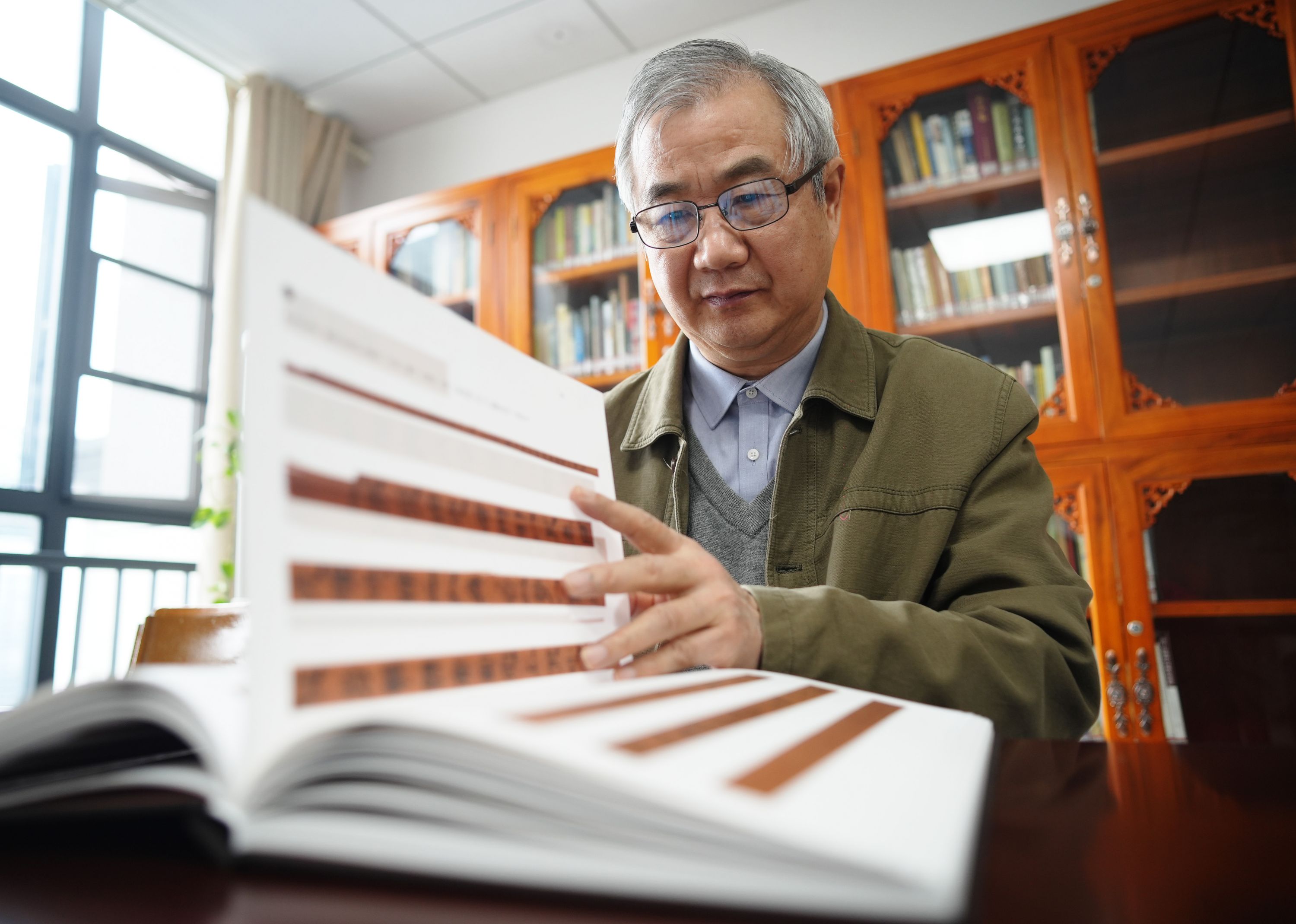 ▲ Chen Wei consulting a book with
photos of bamboo slips Photo by He Xiaogang
▲ Chen Wei consulting a book with
photos of bamboo slips Photo by He Xiaogang
Chen's affinity with the science started in 1991 just prior to his graduation as a doctoral student. In that year, bamboo slips unearthed from the No. 2 Chu Tomb of the Warring States in Baoshan of Jingmen city in Hubei were sorted out and published in a book. Chen was so fascinated by the slips that he cut more than 200 images of them out of the book and hung them all over his room. He thought about them again and again every day.
陈伟跟简牍“结缘”,发生在博士即将毕业的1991年。当年,湖北荆门市包山二号战国楚墓出土的竹简经过整理正式出版。陈伟被书中的竹简所深深吸引,于是将书中的竹简剪成200多条,挂满了整个房间,每天看着它们反反复复揣摩。
Chen's research in the field has been unstoppable ever since, from Chu bamboo slips to Qin ones, and then on to the Han ones that he is currently studying.
陈伟的简牍研究生涯从此一发不可收拾。由楚简至秦简,再至目前正在研究的汉简。
He has presided over three major state-level research projects related to the study of the subject, and has edited and published books such as "The Warring States Bamboo Slips Unearthed in Chu State" and "The Collection of Qin Bamboo and Wooden Slips." They are hailed by academicians as the "model of re-organization and research of bamboo and wooden slips."
他主持了三个简牍学相关国家级重大课题,其主编出版的《楚地出土战国简册》《秦简牍合集》等,被学界誉为“简牍再整理研究的范本”。
(Edited by Ye Shiyu)